 EN
EN  FR
FR  FR
FR 

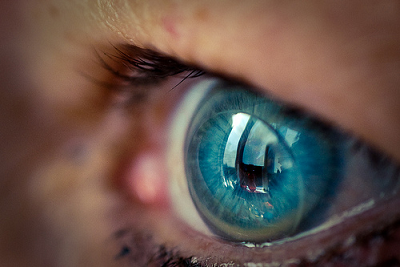
At present, 5% of the population requiring optical correction wears contact lenses. A figure that seems very low compared to the many advantages that contact lenses offer. This week, mymonture takes a look at the different types of lenses to help you make the right choice.
Rigid lenses
Rigid lenses are much less widely used and sold on the market, and for good reason: they are less comfortable and less practical to wear. When it comes to classic corrections, rigid lenses offer no additional benefits over soft lenses.
However, there are certain advantages, particularly for corrections involving high levels of astigmatism. Because the lens is rigid, it doesn't mold to the eye like soft lenses, and a tear meniscus is created between the lens and the eye, perfectly correcting astigmatism.
In short, rigid lenses are recommended for people with strong correction, and especially strong astigmatism. These are generally extended-wear lenses (the lenses are stored for one year). Click here to see our selection of rigid lenses.
Soft lenses
Soft lenses are the most widespread on the market. There are several different wearing times for soft lenses, depending on the type of wearer you are.
Disposable lenses
Disposable lenses are the easiest type of lens to use, and are often recommended for first-time wearers. In fact, they require no special care and are discarded at the end of each wear. Disposable lenses are therefore perfect for occasional contact lens wearers, for people with ametropia who want better vision for their sporting activities, or for daily wearers who don't want to spend time on lens care.
The only disadvantage of disposable lenses compared with other types is that they are more expensive in proportion to the number of times they are used.
If you wish, you can find our disposable lenses on our website.
Short-wear lenses
This category includes monthly and fortnightly lenses, the type most often prescribed by ophthalmologists.
For this type of product, the user will need to clean them every evening and dip them in a multifunctional solution that will disinfect the contact lenses. To avoid any risk of infection, they must be removed every evening.
Who should use this type of lens? All wearers of corrective lenses (with moderate astigmatism) who want a comfortable pair of lenses, and for whom daily care is not an obstacle.
You can also find our range of short-wear soft lenses.
Progressive lenses
Progressive lenses can be found in all the categories mentioned above. Nevertheless, the use of lenses to correct presbyopia is still relatively recent, and it may be worthwhile for presbyopes to have all the facts in hand to know whether wearing progressive lenses could be beneficial.
Compared with conventional progressive spectacles, multifocal lenses provide
- Better visual acuity at both near and far distances
- Better transition between near and distance vision
However, there are also a few disadvantages:
- Lenses are more difficult to fit
- They are expensive, due to their complex geometry
See our selection of progressive lenses on mymonture.com.
You now know a little more about the different types of lenses on the market, and can get an idea of which ones you need if you want to switch to wearing contacts. You can also ask your ophthalmologist for advice on which lenses are best for you.






 Loading...