 DE
DE  EN
EN  FR
FR  FR
FR  NL
NL  NL
NL 

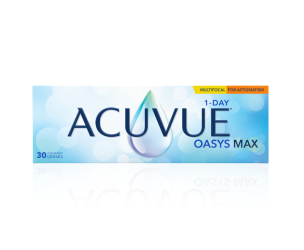
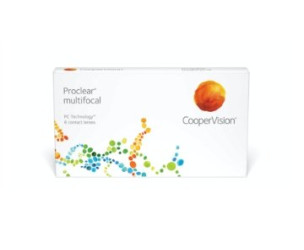
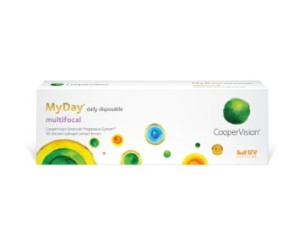
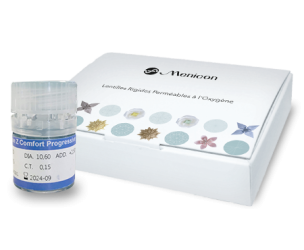
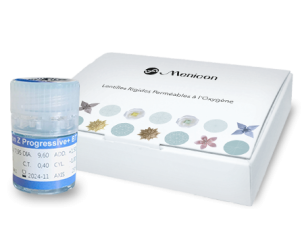
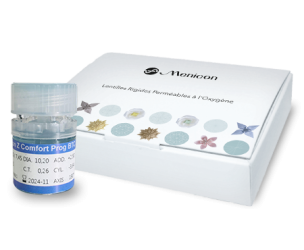
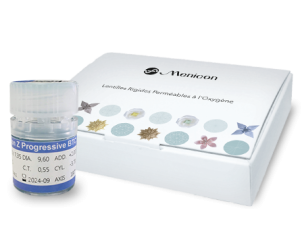
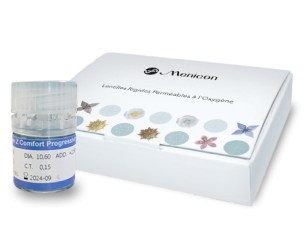
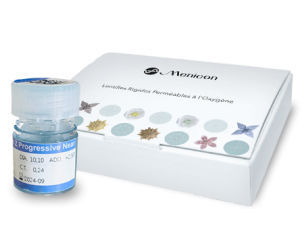
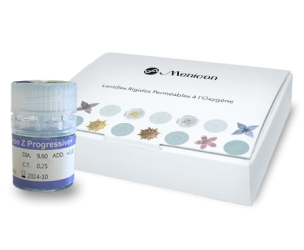
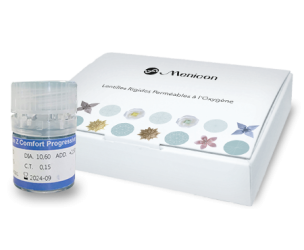
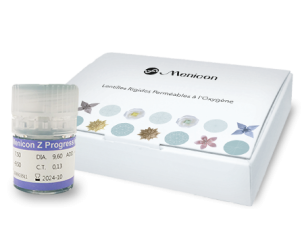


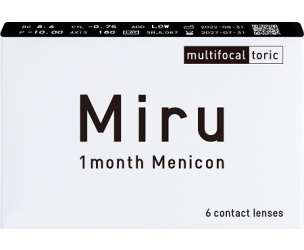


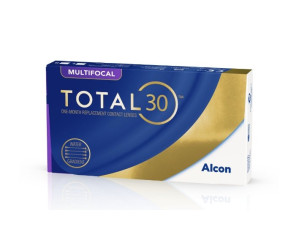




Progressive contact lenses
As we age, we are all bound to suffer from presbyopia. Unfortunately, this age-related visual defect may well happen to us before the age of 40, and wearing reading glasses is not always practical. The risk of misplacing them, breaking them or forgetting them multiplies, and consulting a simple instruction leaflet becomes a misadventure.
Near vision is often blurred, but visibility at a distance is also impaired. Your ophthalmologist will prescribe progressive lenses. But at 40 today, we're young, we move around, we play sport - progressive contact lenses enable us to see and move without anyone suspecting that you're wearing them.
Progressive contact lenses correct distance and near vision. on their own, they offer more than one correction. They compensate for myopia, hyperopia and, of course, presbyopia. They adapt to all distances, helping the eye to correct itself when it has lost its ability to accommodate near or distant objects. With progressive lenses and their gradual transition, you'll be able to see everything around you clearly.
Are progressive contact lenses right for you?
Do you dream of keeping your face clear, but suffer from presbyopia? These contact lenses are made for you. Make an appointment with your ophthalmic specialist, who will be able to advise you which progressive contact lenses to choose. After a more or less lengthy adaptation period, you'll regain your joie de vivre and freedom of movement.
Advantages and disadvantages of progressive contact lenses
In general, patients who use contact lenses find many advantages. With progressive lenses, visual acuity is much improved. The transition between distance, near and intermediate vision is smooth and natural. Recovering sight without wearing corrective glasses in almost any situation is an enormous privilege. For women, being able to apply make-up, do their hair and look beautiful again without squinting is a real pleasure.
Some patients experience a few drawbacks. For them, adaptation is longer and more difficult, with blurred vision that eventually disappears. At night, vision is blurred and car headlights dazzle you. Ophthalmologists advise you to wear glasses when driving at night.
Good care is essential
Like many contact lenses, progressive lenses come in a variety of designs. You can choose between daily and monthly lenses. Your optician will advise you on the care products to use to keep your lenses perfectly clean. Above all, wash your hands before each use. Avoid saliva and tap water if you want to avoid infection. Your eyesight is precious, so protect it.







 Loading...