 EN
EN  FR
FR  FR
FR 
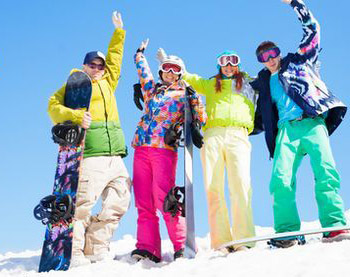
Sports such as skiing require special protection and equipment. Good vision and protection against the sun's rays are the main challenges of good sun protection for skiing.
Among the sun protection options available for skiing, we find goggles, of course, but also ski masks. The latter are increasingly popular in terms of protection, comfort and aesthetics.
Why wear a ski mask?
One of the most important reasons for wearing a ski mask is, of course, to protect you from the sun, which is essential for this type of sport. Just as in other sports, especially water sports, the sun's glare is harmful to eye health and vision. What's more, projectiles such as snow or even the effects of the wind can seep into the eyes.
What's more, you need optimum vision to be able to anticipate any movement, avoid an obstacle... When you're speeding down the slopes on your skis or snowboard, it's best to have sun protection that's securely attached. A goggle offers undeniable comfort, and covers the eyes much better than ski goggles.
Different types of protection
Ski masks are technical products that can provide different types of protection. Masks undergo specific treatments to provide the best protection.
- - Photochromic: in the mountains, weather conditions change regularly. Whether it's fog or sunshine, the mask must guarantee the same vision. Photochromic coating ensures quality vision at all times, rain or shine.
- - Polarized: ski mask lenses are said to be polarized. The principle is the same as for eyeglass lenses. The lenses limit the glare caused by the sun's reflection.
- - Index 1 to 4: when we talk about indexes for ski goggles, we're talking about the degree of protection against UV rays or against glare (lens tint). In the mountains, an index of 3 or 4 is recommended.
- - Lens color: lens color influences the degree of lens protection. The darker the tint, the greater the protection against glare. Lenses can be orange/yellow (especially in fog, for better contrast in low-light conditions), brown (for overcast and cloudy skies), or grey (for poor weather, for excellent color perception).
- - Ventilation and double anti-fog shield: ski goggles are of course equipped with an anti-fog system, thanks to a ventilation system that prevents humidity from forming and fogging from developing. This ventilation system is particularly effective on Julbo, Vuarnet and Red Bull models.
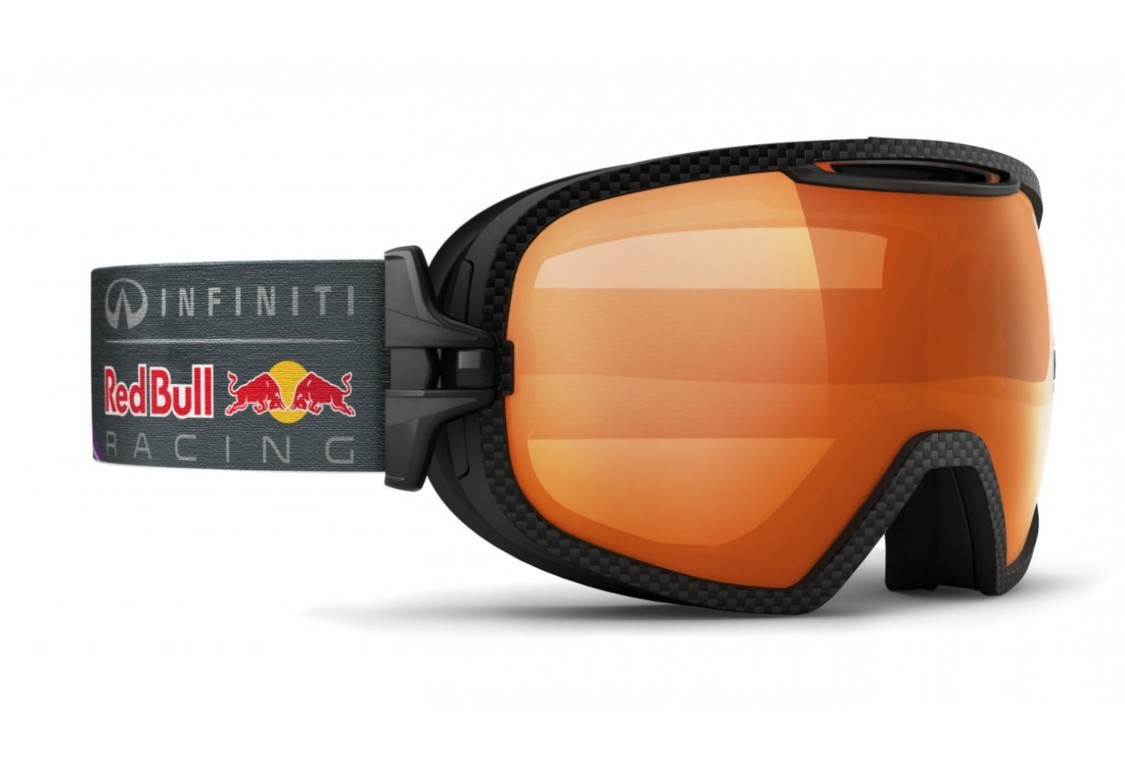
Choosing a ski mask requires careful thought. Don't hesitate to ask an optician for advice. Mymonture opticians are at your disposal to help you make the right choice. Visit our"Ski goggles" section to discover our collection.







 Loading...